2026 Housing Market Forecast: 5% Home Value Increase & Mortgage Trends
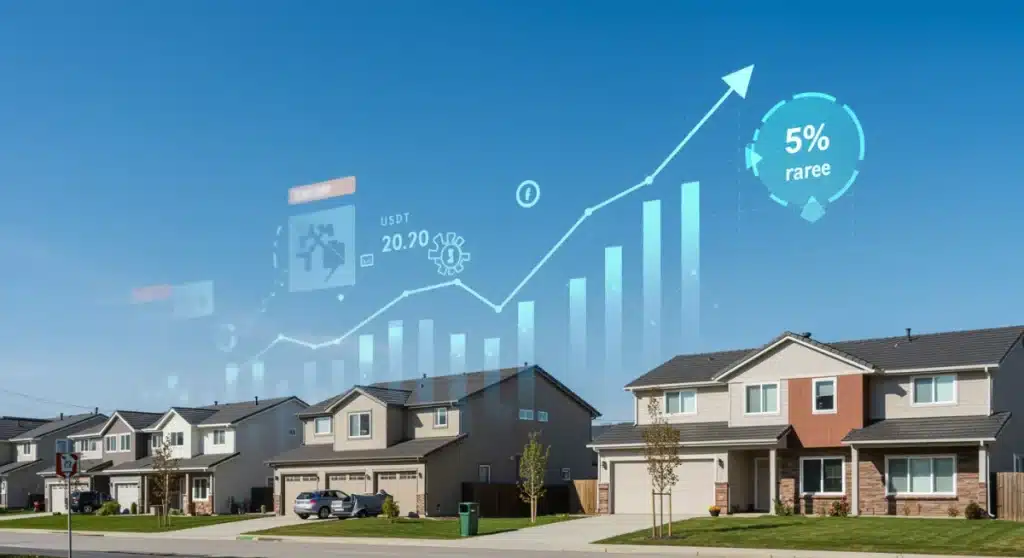
The 2026 housing market forecast predicts a 5% increase in home values and significant shifts in mortgage trends, shaping future real estate decisions for buyers and sellers nationwide.
As we navigate the complexities of the current economic landscape, anticipation builds around the future of real estate. The 2026 housing market forecast is generating considerable discussion, with many experts predicting a notable 5% increase in home values across the United States, alongside evolving mortgage trends. This outlook offers crucial insights for anyone considering buying, selling, or investing in property in the coming years.
Understanding the 2026 Housing Market Forecast: A Broader Perspective
The 2026 housing market forecast is not merely a number; it’s a complex interplay of economic indicators, demographic shifts, and policy decisions that collectively shape the real estate landscape. A predicted 5% increase in home values suggests a healthy, albeit moderated, growth trajectory, moving beyond the rapid appreciation seen in recent years. This forecast provides a valuable benchmark for understanding market stability and potential investment returns.
Several factors contribute to this forward-looking estimate. Economic growth, employment rates, and inflation all play pivotal roles. When the economy is strong, more people are employed, leading to greater purchasing power and demand for housing. However, this demand must be balanced against available supply, which remains a persistent challenge in many regions across the U.S.
Key Economic Drivers Influencing Home Values
The health of the broader economy is intrinsically linked to the housing market. A robust GDP, low unemployment, and controlled inflation typically create a favorable environment for home value appreciation. The 2026 forecast assumes a continuation of these positive trends, albeit with a cautious optimism that accounts for potential economic headwinds.
- GDP Growth: Sustained economic expansion fuels consumer confidence and job creation, directly impacting housing demand.
- Employment Rates: High employment means more potential homebuyers with stable incomes, increasing the pool of qualified buyers.
- Inflation Control: While some inflation can drive asset appreciation, runaway inflation can erode purchasing power and lead to higher interest rates, cooling the market.
Furthermore, demographic shifts cannot be overlooked. The millennial generation, now in their prime home-buying years, continues to be a significant force in the market. Their evolving housing needs, coupled with the preferences of Gen Z entering the market, will continue to shape demand patterns and influence home values in various segments.
In conclusion, the projected 5% increase in home values for 2026 is a reflection of anticipated economic stability and ongoing demand. Understanding these underlying drivers is crucial for anyone looking to make informed decisions in the real estate sector. This forecast suggests a market that is settling into a more sustainable growth pattern after a period of volatility.
Mortgage Trends Expected in 2026: What Buyers Should Know
Beyond home values, mortgage trends are a critical component of the 2026 housing market forecast. Interest rates directly impact affordability, determining the monthly cost of homeownership for millions. The forecast suggests a potential stabilization or even a slight decrease in mortgage rates, which could significantly influence buyer behavior and market activity.
Historically, mortgage rates have fluctuated based on monetary policy, inflation, and global economic conditions. The Federal Reserve’s actions, particularly regarding the federal funds rate, are a primary driver. As inflation is brought under control, there’s a greater likelihood that the Fed will adopt a less aggressive stance, potentially leading to more favorable lending conditions.
Factors Influencing Future Mortgage Rates
Understanding the forces that shape mortgage rates is essential for prospective homebuyers. These factors are often dynamic and can shift based on new economic data and geopolitical events.
- Federal Reserve Policy: The Fed’s decisions on interest rates directly influence the cost of borrowing for banks, which in turn affects mortgage rates.
- Inflation Outlook: A stable inflation environment typically allows for lower, more predictable mortgage rates. Uncontrolled inflation can push rates higher.
- Economic Growth: A strong economy can lead to higher bond yields, which often correlate with higher mortgage rates, but this is balanced by increased consumer confidence.
The availability of different mortgage products also plays a role. While fixed-rate mortgages remain popular for their stability, adjustable-rate mortgages (ARMs) might become more appealing if initial rates are significantly lower. Buyers will need to carefully consider their risk tolerance and long-term financial plans when choosing a mortgage product.
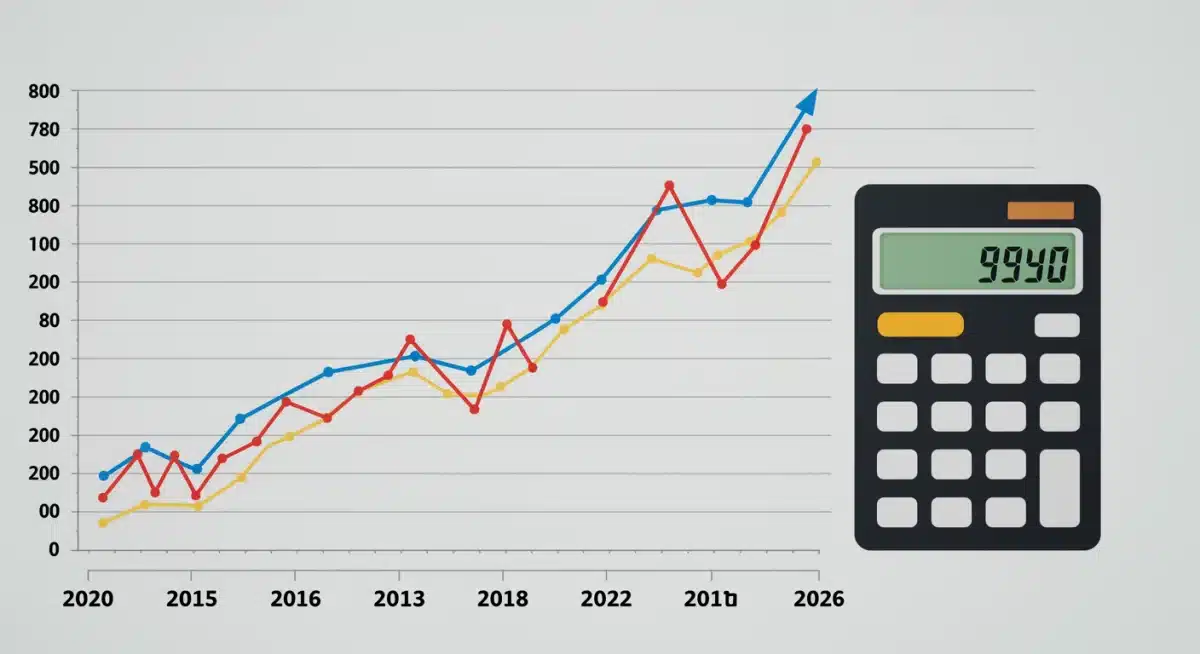
In summary, the anticipated mortgage trends for 2026 point towards a potentially more favorable environment for borrowers. A stabilization or slight reduction in rates could enhance affordability, encouraging more buyers to enter the market. Staying informed about these trends and consulting with financial advisors will be crucial for making sound borrowing decisions.
Regional Variations in Home Value Growth
While the national 2026 housing market forecast predicts a 5% increase in home values, it’s crucial to acknowledge that real estate is inherently local. Regional markets will likely experience varying degrees of appreciation, influenced by factors unique to their geographies, economies, and demographics. Some areas may see growth exceeding the national average, while others might experience more modest gains or even slight declines.
Urban centers, for instance, often face different dynamics than suburban or rural areas. Job growth, infrastructure development, and population migration patterns are key determinants of local market performance. A city experiencing a boom in a particular industry, like technology or healthcare, will likely see stronger housing demand and value appreciation.
Metropolitan Areas vs. Suburban and Rural Markets
The divergence in market performance between different types of regions is a recurring theme in real estate. Understanding these nuances is vital for both buyers and sellers.
- Major Metropolitan Areas: These areas often benefit from strong job markets and cultural amenities, but also face high competition and affordability challenges. Growth might be steady but capped by existing high prices.
- Suburban Growth Corridors: Many suburban areas continue to attract families seeking more space and better schools, often leading to robust demand and value growth.
- Emerging Markets: Smaller cities and towns with improving infrastructure and economic diversification can offer significant growth potential, often at a lower entry cost.
Furthermore, local government policies, such as zoning regulations and property taxes, can significantly impact housing supply and demand. Areas with restrictive zoning may limit new construction, driving up existing home values, whereas regions with proactive development policies might see more balanced growth.
In conclusion, while the 5% national home value increase provides a general outlook, a deeper dive into specific regional markets is essential. Buyers and sellers should research local economic indicators, population trends, and development plans to gain a more accurate understanding of their specific market conditions in 2026.
The Role of Supply and Demand in 2026
The fundamental economic principles of supply and demand will continue to be a dominant force shaping the 2026 housing market forecast. The predicted 5% increase in home values is intricately linked to the delicate balance between the number of available homes for sale and the pool of eager buyers. A persistent shortage of housing supply, particularly in desirable areas, has been a significant driver of price appreciation in recent years.
New construction plays a crucial role in alleviating supply constraints. However, challenges such as labor shortages, rising material costs, and regulatory hurdles can impede the pace of new home builds. If construction cannot keep up with population growth and household formation, upward pressure on home values will likely persist.
Addressing the Supply Shortage
Efforts to boost housing supply are multi-faceted, involving both private developers and public policy initiatives. The effectiveness of these efforts will directly impact market dynamics in 2026 and beyond.
- Increased Construction: A sustained increase in new home starts, especially in entry-level and mid-range price points, is vital to meeting demand.
- Streamlined Regulations: Reducing bureaucratic hurdles and zoning restrictions can accelerate development and lower construction costs.
- Conversion of Commercial to Residential: Adapting underutilized commercial properties into residential units can offer a quick boost to urban housing supply.
On the demand side, factors like population growth, household formation rates, and investor activity are key. A growing population naturally requires more housing. Additionally, the trend of younger generations forming independent households contributes to increased demand, even if overall population growth is modest.
Ultimately, the 2026 housing market will be a testament to how effectively supply can meet demand. If supply remains constrained while demand continues to be strong, the 5% appreciation in home values could be a conservative estimate. Conversely, a significant surge in new construction coupled with a cooling of buyer enthusiasm could temper growth.
Impact of Technology and Innovation on Real Estate
Technology and innovation are rapidly transforming various sectors, and real estate is no exception. In the context of the 2026 housing market forecast, digital advancements are expected to play an increasingly significant role in how homes are bought, sold, and managed. This technological evolution can influence market efficiency, transparency, and even home values themselves.
From AI-powered valuation tools to virtual reality home tours, technology is making the home-buying process more accessible and efficient. These tools can help buyers make more informed decisions, potentially speeding up transactions and reducing costs. For sellers, advanced marketing platforms can reach a wider audience, optimizing sale prices.
Emerging Technologies Shaping the Market
Several technological trends are poised to have a substantial impact on the real estate market by 2026, influencing everything from property search to investment strategies.
- Artificial Intelligence (AI) and Machine Learning: AI can analyze vast datasets to predict market trends, personalize property recommendations, and even assist with mortgage underwriting.
- Virtual and Augmented Reality (VR/AR): VR tours allow prospective buyers to explore properties remotely, breaking down geographical barriers and enhancing the viewing experience.
- Blockchain Technology: Blockchain could revolutionize property transactions by providing secure, transparent, and immutable records, streamlining the closing process.
Smart home technology is also becoming a standard expectation, influencing property desirability and value. Homes equipped with integrated smart systems for security, energy management, and comfort often command higher prices and appeal to a broader range of buyers. This trend is likely to accelerate by 2026, with energy efficiency and connectivity becoming even more paramount.

In conclusion, the integration of technology will continue to streamline real estate processes and enhance the consumer experience. These innovations are not just conveniences; they are integral to the evolving market, potentially contributing to the efficiency that supports the predicted 5% increase in home values and influences future mortgage trends by providing better data and faster transactions.
Strategies for Buyers and Sellers in 2026
Given the 2026 housing market forecast of a 5% increase in home values and evolving mortgage trends, both buyers and sellers will need to adopt strategic approaches to navigate the market successfully. For buyers, this means careful financial planning and understanding the nuances of financing. For sellers, it involves optimizing property presentation and pricing strategies.
Prospective homebuyers should prioritize strengthening their financial position. This includes improving credit scores, saving for a substantial down payment, and getting pre-approved for a mortgage early. Understanding the expected mortgage trends, such as potential rate stabilizations, can help buyers time their purchases effectively.
Tips for Navigating the 2026 Market
Preparing thoroughly is key to achieving real estate goals in a dynamic market. Both sides of the transaction can benefit from proactive planning.
- For Buyers:
- Secure Pre-Approval: A strong pre-approval letter demonstrates serious intent and strengthens offers.
- Understand Local Markets: Research specific neighborhoods for micro-market trends, not just national averages.
- Be Flexible: Consider a wider range of properties or be open to slightly longer commutes if it means finding the right home within budget.
- For Sellers:
- Strategic Pricing: Price competitively based on current market conditions and recent comparable sales.
- Enhance Curb Appeal: First impressions matter; invest in landscaping and exterior maintenance.
- Professional Staging: Staged homes often sell faster and for higher prices by allowing buyers to envision themselves in the space.
Sellers should also consider making necessary repairs and updates that add value and appeal to a broad buyer base. Energy-efficient upgrades, for example, are increasingly attractive to environmentally conscious buyers and can offer long-term savings. Highlighting these features in listings can be a significant advantage.
In conclusion, the 2026 housing market, with its projected 5% increase in home values and anticipated mortgage trends, presents opportunities for both buyers and sellers. Success will hinge on diligent preparation, informed decision-making, and a willingness to adapt to market conditions. Engaging with experienced real estate professionals will be invaluable in navigating this evolving landscape.
| Key Point | Brief Description |
|---|---|
| Home Value Growth | National forecast predicts a 5% increase in home values, driven by economic stability and demand. |
| Mortgage Rate Trends | Anticipated stabilization or slight decrease in rates, potentially improving affordability for buyers. |
| Regional Variations | Growth will vary significantly by location, influenced by local economies and demographics. |
| Supply and Demand | Persistent housing supply shortages continue to drive market dynamics and value appreciation. |
Frequently Asked Questions About the 2026 Housing Market
The primary prediction for the 2026 housing market is a 5% increase in home values across the United States. This forecast suggests a return to more stable, moderate growth after previous periods of rapid appreciation and market adjustments, influenced by economic stability and ongoing demand.
Mortgage trends in 2026 are expected to see stabilization or a slight decrease in interest rates. This is largely dependent on the Federal Reserve’s monetary policy and the control of inflation. More favorable rates could enhance affordability for buyers and stimulate market activity.
No, the 5% home value increase is a national average. Regional markets will likely vary significantly due to local economic conditions, population shifts, and specific supply-demand dynamics. Some areas may see higher growth, while others might experience more modest gains.
Housing supply remains a critical factor. Persistent shortages, especially in desirable areas, continue to exert upward pressure on home values. The pace of new construction and efforts to address regulatory hurdles will significantly influence market dynamics and the realization of the 5% growth forecast.
Buyers should focus on financial preparedness, including improving credit scores, saving for a down payment, and securing pre-approval for a mortgage. Understanding local market nuances and being flexible with property choices will also be crucial for success in the 2026 housing market.
Conclusion
The 2026 housing market forecast paints a picture of continued, albeit moderated, growth, with a projected 5% increase in home values across the United States. This outlook is underpinned by anticipated economic stability, evolving mortgage trends, and the ongoing interplay of supply and demand. While the national average provides a useful benchmark, the nuances of regional markets and the transformative impact of technology will shape individual experiences. Both buyers and sellers are advised to engage in thorough preparation and informed decision-making, leveraging expert insights to navigate what promises to be a dynamic real estate landscape. Staying abreast of these trends will be paramount for anyone looking to make strategic moves in the housing market over the next few years.
