Addressing Learning Gaps: Effective Interventions for U.S. Students
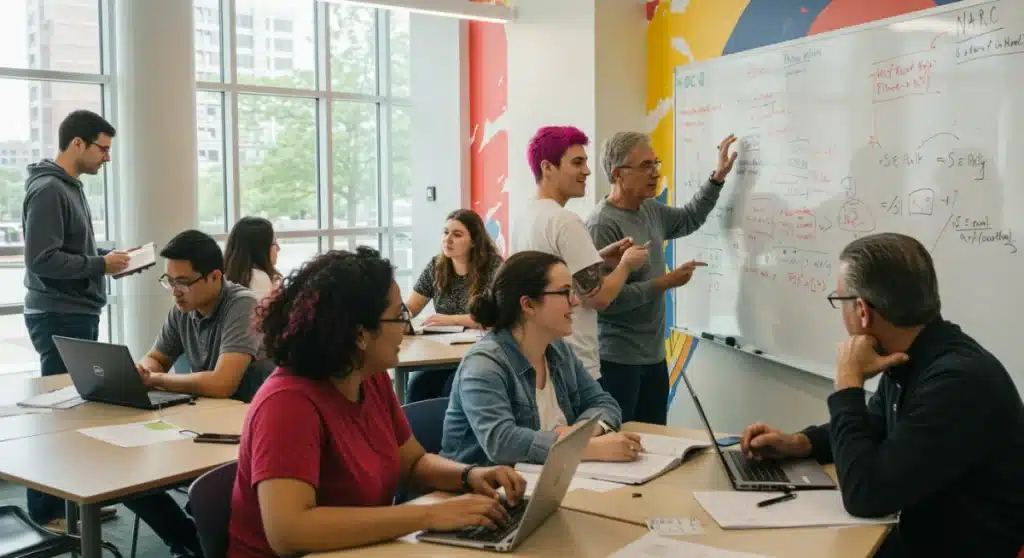
Addressing learning gaps: effective interventions for U.S. students in the 2025-2026 academic year requires comprehensive, data-driven strategies focused on personalized instruction, robust educator support, and strategic technology integration to foster equitable academic recovery and growth.
As the 2025-2026 academic year approaches, the imperative to continue addressing learning gaps: effective interventions for U.S. students remains a top priority for educators, policymakers, and parents alike. The challenges of recent years have exacerbated existing disparities, making targeted and innovative strategies more critical than ever. This article will delve into the most promising interventions designed to help every student achieve their full potential, ensuring a stronger educational foundation for the future.
Understanding the Landscape of Learning Gaps in 2025-2026
The academic landscape for U.S. students entering the 2025-2026 academic year presents a complex picture of varied learning needs. Prolonged disruptions have led to significant inconsistencies in foundational knowledge, particularly in subjects like reading and mathematics. Recognizing the depth and breadth of these gaps is the crucial first step toward developing effective intervention strategies.
These gaps are not uniform; they often reflect pre-existing socio-economic disparities, access to technology, and differences in home learning environments. Understanding these underlying factors allows educators to move beyond a one-size-fits-all approach and instead tailor interventions that genuinely meet students where they are. Data analytics and diagnostic assessments are becoming indispensable tools in accurately identifying specific areas of need and tracking progress over time.
Furthermore, the emotional and social impacts of recent years cannot be overlooked. Students may exhibit disengagement, anxiety, or a lack of motivation, which can further impede their academic progress. Effective interventions must therefore integrate social-emotional learning (SEL) components, fostering a supportive environment where students feel safe, connected, and ready to learn. Addressing these holistic needs is paramount for sustainable academic recovery and growth.
In conclusion, the current learning gap landscape demands a nuanced understanding of academic, social, and emotional factors. By leveraging data and adopting a holistic perspective, educators can lay the groundwork for targeted and impactful interventions that truly serve the diverse needs of U.S. students in the upcoming academic year.
The Power of Personalized Learning Approaches
Personalized learning has emerged as a cornerstone in effectively addressing learning gaps, moving away from traditional, standardized teaching methods. This approach recognizes that each student learns at their own pace and in their own way, requiring instruction tailored to individual strengths and weaknesses. In the 2025-2026 academic year, technologies and methodologies supporting personalization will be more refined and accessible than ever.
Implementing personalized learning involves continuous assessment to pinpoint specific learning deficits and then designing instructional pathways that directly target those areas. This can manifest through adaptive learning software, one-on-one tutoring, or small group instruction. The goal is to provide students with the right content, at the right time, and in the right format, maximizing their engagement and comprehension.
Adaptive Learning Technologies
Adaptive learning platforms are pivotal in delivering personalized instruction. These systems use artificial intelligence to adjust curriculum content and difficulty levels based on a student’s performance, providing immediate feedback and targeted practice.
- Real-time assessment: Continuously evaluates student understanding.
- Customized pathways: Adjusts lessons and activities to individual needs.
- Engaging content: Offers interactive and multimedia resources to sustain interest.
- Data-driven insights: Provides educators with actionable data on student progress.
Beyond technology, personalized learning also emphasizes the role of the educator as a facilitator and mentor. Teachers are equipped with tools and training to differentiate instruction within the classroom, fostering an environment where students feel supported and challenged appropriately. This human element is irreplaceable, ensuring that technology serves as an enhancement rather than a replacement for meaningful teacher-student interaction.
Ultimately, personalized learning aims to empower students to take ownership of their educational journey. By providing them with agency and resources tailored to their unique profiles, schools can create a more equitable and effective learning experience, significantly contributing to closing existing gaps. This approach is not just about remediation but about fostering a lifelong love for learning.

Leveraging Technology for Targeted Interventions
Technology plays an increasingly vital role in addressing learning gaps, offering innovative solutions that can reach students in diverse ways. For the 2025-2026 academic year, schools are expected to further integrate digital tools and platforms to provide targeted, scalable, and engaging interventions. These technologies can bridge geographical barriers and offer flexibility in learning, catering to various student needs and schedules.
From virtual tutoring to educational apps, the spectrum of technological interventions is broad. The key lies in selecting and implementing tools that are not only effective but also accessible and user-friendly for both students and educators. Training for teachers in leveraging these digital resources effectively will be crucial for successful integration.
Virtual and Hybrid Learning Models
The lessons learned from remote learning environments have paved the way for more sophisticated virtual and hybrid models. These models can offer supplemental instruction, specialized courses, or even serve as the primary mode of learning for students who thrive in non-traditional settings.
- Flexible scheduling: Accommodates diverse student needs and family situations.
- Access to specialized resources: Connects students with expert tutors and unique content.
- Interactive platforms: Utilizes engaging digital tools for collaborative learning.
- Data tracking: Monitors student engagement and performance in real-time.
Moreover, artificial intelligence (AI) is beginning to transform intervention strategies. AI-powered diagnostic tools can identify learning difficulties with greater precision, while AI tutors can provide personalized support outside of regular school hours. These advancements allow for highly individualized feedback and practice, making interventions more efficient and effective. The ethical implications and equitable access to such cutting-edge technologies will, of course, remain important considerations for policymakers and school administrators.
In essence, technology is not just a tool for delivery but a catalyst for transforming how interventions are conceived and executed. By thoughtfully integrating digital solutions, schools can create dynamic, responsive learning environments that are better equipped to address the complex challenge of learning gaps, preparing students for success in an increasingly digital world.
The Critical Role of Educator Professional Development
No matter how sophisticated the intervention programs or technologies become, their success ultimately hinges on the capabilities of the educators implementing them. For the 2025-2026 academic year, robust and ongoing professional development for teachers is not just beneficial, but absolutely critical for effectively addressing learning gaps. Educators need to be equipped with the latest pedagogical strategies, data analysis skills, and technological proficiencies.
Professional development should move beyond one-off workshops, evolving into sustained, collaborative learning experiences. This includes opportunities for teachers to share best practices, receive mentorship, and engage in continuous reflection on their teaching methods. When educators feel supported and empowered, they are better positioned to respond to the diverse and evolving needs of their students.
Key Areas for Professional Development
To truly impact learning gaps, professional development programs must focus on specific areas that directly address the challenges teachers face in the classroom today. These areas are constantly evolving, requiring flexible and responsive training modules.
- Differentiated instruction techniques: Strategies for tailoring lessons to varied learning levels.
- Data literacy and analysis: How to interpret assessment data to inform instruction.
- Social-emotional learning integration: Methods for supporting students’ emotional well-being.
- Technology integration: Effective use of educational software and digital tools.
- Culturally responsive teaching: Approaches that affirm students’ diverse backgrounds.
Furthermore, training in understanding and responding to trauma-informed practices is becoming increasingly important. Many students have experienced significant stressors, and teachers need the skills to create a classroom environment that promotes healing and resilience. This holistic approach to professional development ensures that educators are not only academically proficient but also emotionally intelligent and culturally sensitive.
Ultimately, investing in educators is investing in student success. By providing comprehensive, relevant, and ongoing professional development, school districts can ensure that teachers have the knowledge and tools necessary to implement effective interventions, thereby making significant strides in closing learning gaps and fostering a more equitable educational system.
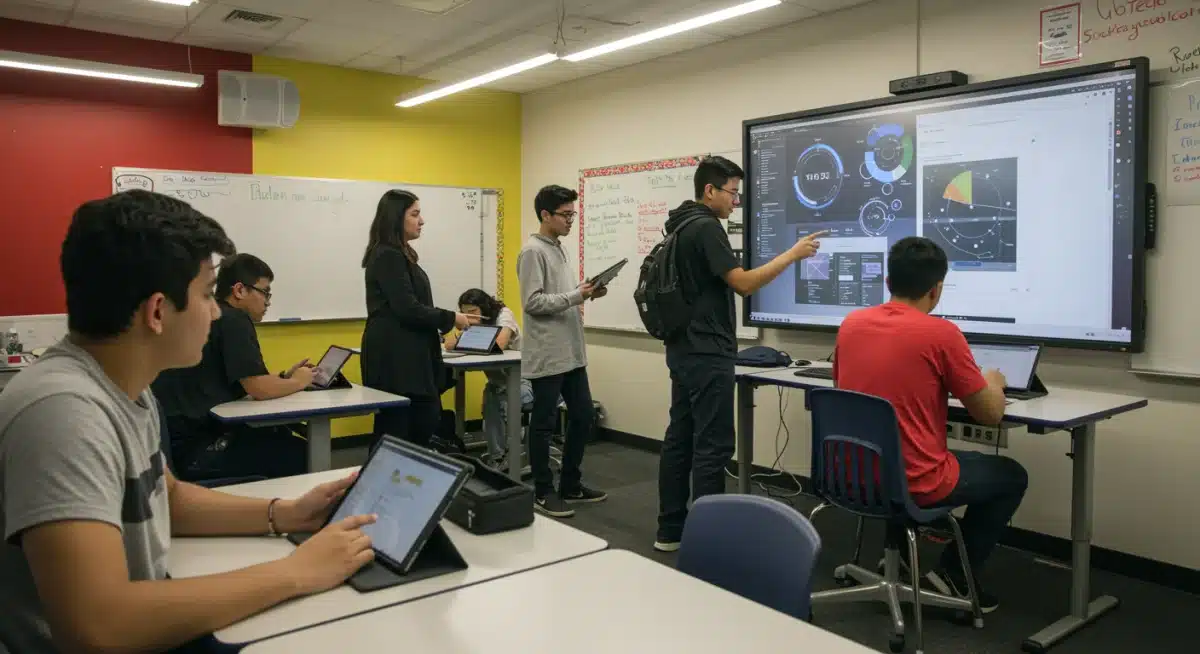
Community and Family Engagement in Bridging Gaps
The school is just one piece of a student’s educational ecosystem; the home and community play equally vital roles in academic success. Effective interventions for addressing learning gaps extend beyond the classroom walls, necessitating strong partnerships between schools, families, and community organizations. For the 2025-2026 academic year, fostering these connections will be paramount to creating a comprehensive support system for students.
Engaging families means more than just parent-teacher conferences. It involves creating open lines of communication, providing resources for at-home learning support, and actively involving parents in decision-making processes. When families feel valued and informed, they become powerful allies in their children’s education, reinforcing school efforts and promoting a consistent learning environment.
Strategies for Enhanced Engagement
Building robust school-family-community partnerships requires intentional effort and creative strategies. These efforts should be tailored to the specific needs and cultural contexts of each community, ensuring inclusivity and relevance.
- Workshops for parents: Covering topics like homework support, digital literacy, and navigating the education system.
- Community learning centers: Offering after-school programs, tutoring, and access to resources.
- Regular, multi-channel communication: Utilizing newsletters, apps, and community meetings to keep everyone informed.
- Family literacy programs: Encouraging reading at home and providing books.
- Volunteer opportunities: Inviting community members to support school activities and mentorship programs.
Community organizations, such as libraries, youth centers, and non-profits, can offer invaluable supplementary resources and support. They can provide safe spaces for homework, access to technology, and enrichment activities that broaden students’ horizons. Collaborating with these entities allows schools to extend their reach and offer a more holistic network of support, addressing both academic and socio-emotional needs.
Ultimately, a strong partnership between schools, families, and communities creates a more resilient and supportive environment where students feel a sense of belonging and receive consistent encouragement. This collective effort is instrumental in addressing learning gaps effectively, ensuring that every child has the opportunity to thrive, regardless of their background or circumstances.
Policy and Funding Priorities for 2025-2026 Interventions
The success of any widespread effort to address learning gaps is deeply intertwined with supportive policy and adequate funding. As the U.S. education system looks towards the 2025-2026 academic year, policymakers at federal, state, and local levels must prioritize legislation and resource allocation that directly facilitate effective interventions. Without a strong policy framework and sustainable financial backing, even the most innovative programs can falter.
Key policy considerations include funding for high-quality professional development, equitable access to educational technology, and support for comprehensive diagnostic assessment tools. Policies that encourage collaboration between schools, families, and community organizations are also vital, recognizing the multi-faceted nature of student support.
Furthermore, there is a need for policies that promote flexibility within curriculum and assessment, allowing educators to adapt to student needs rather than being constrained by rigid standards. Accountability measures should focus on growth and progress, not just proficiency, acknowledging the varying starting points of students with learning gaps. This shift in focus can empower schools to implement interventions without fear of punitive outcomes.
Funding must be allocated strategically, with an emphasis on evidence-based practices that have demonstrated success in closing achievement gaps. This includes investments in:
- Targeted tutoring programs: Especially high-dosage, individualized instruction.
- Extended learning opportunities: Such as summer school and after-school programs.
- Mental health support services: Addressing the socio-emotional needs of students.
- Infrastructure for digital equity: Ensuring all students have reliable internet and devices.
- Research and development: To identify and scale new, effective intervention models.
Policy decisions also need to consider long-term sustainability. Interventions are not quick fixes; they require ongoing commitment and resources. Therefore, funding streams should be stable and predictable, allowing schools to plan and implement multi-year strategies rather than relying on short-term grants. This legislative and financial commitment is fundamental to creating lasting positive change and truly addressing learning gaps for U.S. students in the coming academic year and beyond.
Measuring Impact and Sustaining Progress
Implementing effective interventions is only half the battle; the other crucial half involves rigorously measuring their impact and building mechanisms for sustained progress. For the 2025-2026 academic year, schools must adopt robust evaluation frameworks to determine which strategies are truly working and how they can be refined. This data-driven approach ensures that resources are allocated efficiently and that interventions are continuously improved.
Measuring impact goes beyond standardized test scores. It includes tracking student engagement, social-emotional growth, attendance rates, and feedback from students, parents, and teachers. A holistic view of student progress provides a more accurate picture of an intervention’s effectiveness and its broader influence on student well-being.
Key Metrics and Evaluation Strategies
To effectively measure the impact of interventions and sustain progress, schools should focus on a combination of quantitative and qualitative data. This multi-faceted approach offers a comprehensive understanding of student outcomes.
- Formative and summative assessments: To track academic growth in specific skill areas.
- Student surveys: Gauging engagement, motivation, and perception of support.
- Teacher observations and feedback: Providing insights into classroom dynamics and individual student needs.
- Attendance and disciplinary data: Indicators of student well-being and school connectedness.
- Longitudinal studies: Tracking student progress over multiple years to assess long-term impact.
Sustaining progress also requires institutionalizing successful interventions rather than treating them as temporary projects. This means embedding effective strategies into core curriculum, professional development, and school culture. Continuous feedback loops, where data informs ongoing adjustments to programs, are essential for ensuring that interventions remain relevant and effective as student needs evolve.
Furthermore, sharing best practices among schools and districts can accelerate progress across the nation. Creating networks where educators can collaborate and learn from each other’s successes and challenges fosters a culture of continuous improvement. By focusing on rigorous evaluation and committing to long-term sustainability, schools can ensure that their efforts to address learning gaps lead to meaningful and lasting educational gains for all U.S. students.
| Key Intervention Area | Brief Description |
|---|---|
| Personalized Learning | Tailoring instruction to individual student needs and learning styles. |
| Technology Integration | Utilizing digital tools, AI, and adaptive software for targeted support. |
| Educator Development | Ongoing training for teachers in new pedagogies, data analysis, and technology. |
| Community Engagement | Fostering strong partnerships between schools, families, and local organizations. |
Frequently Asked Questions About Learning Gap Interventions
Learning gaps are primarily caused by a combination of factors including disrupted learning environments, socio-economic disparities, inconsistent access to technology, varied home learning support, and pre-existing educational inequalities. These elements often compound, leading to significant differences in student achievement levels across the nation.
Personalized learning addresses diverse needs by tailoring educational content and pace to each student’s unique strengths and weaknesses. This approach often uses adaptive technologies and individualized instruction, ensuring that students receive targeted support in areas where they struggle, while also being challenged in subjects where they excel.
Technology is crucial for future interventions, offering tools like AI-powered adaptive learning platforms, virtual tutoring, and data analytics. These technologies enable scalable, real-time assessment and customized learning pathways, making interventions more efficient and accessible, especially for students in remote or underserved areas.
Educator professional development is vital because teachers are at the forefront of implementing interventions. Ongoing training equips them with the latest pedagogical strategies, data literacy skills, and technological proficiency needed to differentiate instruction, integrate social-emotional learning, and respond effectively to the complex needs of students with learning gaps.
Families and communities contribute significantly by providing a supportive learning environment outside school. This includes active parental involvement, access to community resources like libraries and after-school programs, and fostering a culture that values education. Strong partnerships ensure consistent reinforcement of learning and holistic student support.
Conclusion
The journey towards effectively addressing learning gaps: effective interventions for U.S. students in the 2025-2026 academic year is multifaceted, demanding a concerted effort from all stakeholders. From personalized learning approaches and strategic technology integration to robust educator development and strong community partnerships, each component plays a critical role. By prioritizing data-driven strategies, fostering a holistic view of student needs, and ensuring sustainable policy and funding, the U.S. education system can create an equitable and empowering environment where every student has the opportunity to overcome challenges and thrive. The commitment to these comprehensive interventions will not only close existing gaps but also build a more resilient and future-ready generation of learners.
