Mental Health Support in Schools: 2026 U.S. Educator Guidelines

Updated guidelines and comprehensive resources for U.S. educators in 2026 are crucial for strengthening mental health support in schools, ensuring a nurturing environment that promotes student well-being and academic achievement across the nation.
As we advance into 2026, the landscape of education continues to evolve, with a growing recognition of the critical role schools play in fostering student well-being. Providing robust mental health support in schools is no longer just an aspiration but a fundamental necessity for creating environments where all students can thrive academically, socially, and emotionally. This article delves into the updated guidelines and essential resources available to U.S. educators, equipping them with the knowledge and tools to address the complex mental health needs of their students effectively.
The Evolving Landscape of Student Mental Health in U.S. Schools
The mental health challenges faced by students in the United States have become increasingly complex over the past decade. Factors such as social media pressures, academic stress, family dynamics, and global events contribute to a heightened need for comprehensive support systems within educational settings. Schools are often the first, and sometimes only, place where students can access mental health services.
Understanding these evolving needs is the first step toward effective intervention. Educators are on the front lines, often noticing changes in student behavior or mood before anyone else. This unique position necessitates a deep understanding of common mental health conditions and how they manifest in children and adolescents.
Prevalence of Mental Health Conditions
Recent data indicates a significant increase in diagnoses of anxiety, depression, and other mental health disorders among school-aged children. This trend underscores the urgency for schools to adapt and expand their support services.
- Approximately one in five children aged 3-17 in the U.S. has a diagnosable mental, emotional, or behavioral disorder.
- Anxiety disorders are the most common, affecting a substantial portion of the student population.
- Depression rates have also seen a concerning rise, particularly among adolescents.
These statistics highlight not only the scale of the challenge but also the immense opportunity for schools to make a tangible difference in the lives of their students. By integrating mental health support into the daily fabric of school life, educators can create a more resilient and supportive community.
Updated Federal and State Guidelines for School Mental Health Programs
In response to the growing mental health crisis among youth, both federal and state governments have been proactive in developing and updating guidelines for school-based mental health programs. These guidelines aim to provide a structured framework for schools to implement effective strategies and ensure compliance with best practices. Staying informed about these updates is crucial for all U.S. educators.
The focus of these updated guidelines extends beyond just crisis intervention, emphasizing prevention, early identification, and comprehensive support systems. They advocate for a multi-tiered system of support (MTSS) approach, integrating mental health services into the broader educational framework.
Key Federal Initiatives and Recommendations
Federal agencies, including the Department of Education and the Department of Health and Human Services, have released joint recommendations and funding opportunities to bolster school mental health infrastructure.
- The Bipartisan Safer Communities Act (2022) significantly increased funding for school-based mental health services.
- Guidance from the Centers for Disease Control and Prevention (CDC) promotes comprehensive school mental health policies.
- The Substance Abuse and Mental Health Services Administration (SAMHSA) offers grants and technical assistance for schools.
These federal initiatives often set the standard for state-level policies, encouraging a unified approach to student mental health across the nation. Understanding these broader directives helps educators advocate for necessary resources within their own districts.
State-Specific Mandates and Resources
Many states have enacted their own legislation and allocated specific funding to support mental health in schools. These mandates often dictate requirements for mental health education, access to services, and professional development for staff.
For instance, some states now require mental health education as part of the curriculum, while others mandate a certain ratio of school psychologists or counselors per student. Educators should consult their state’s Department of Education website for the most current and specific guidelines applicable to their region. These state-level nuances are vital for localized implementation.
Integrating Mental Health into the School Curriculum and Culture
Effective mental health support goes beyond reactive measures; it involves proactively embedding mental wellness into the very fabric of the school environment. This includes integrating mental health education into the curriculum and fostering a school culture that prioritizes emotional well-being and reduces stigma. A holistic approach ensures that mental health is treated with the same importance as physical health.
Creating a supportive culture means that students feel safe, heard, and understood, making them more likely to seek help when needed. This cultural shift requires consistent effort from all members of the school community, from administrators to classroom teachers and support staff.
Curriculum Integration Strategies
Mental health education can be seamlessly woven into existing subjects, rather than being treated as a standalone topic. This approach normalizes discussions about emotions and coping mechanisms.
- Incorporate social-emotional learning (SEL) competencies into daily lessons across all grade levels.
- Use literature and history classes to explore themes of resilience, empathy, and mental health challenges.
- Dedicate specific health education units to understanding mental illnesses, stress management, and seeking help.
By making mental health an integral part of learning, students develop a foundational understanding of their own emotional landscape and learn to recognize and respect the emotional experiences of others. This preventative education is invaluable.
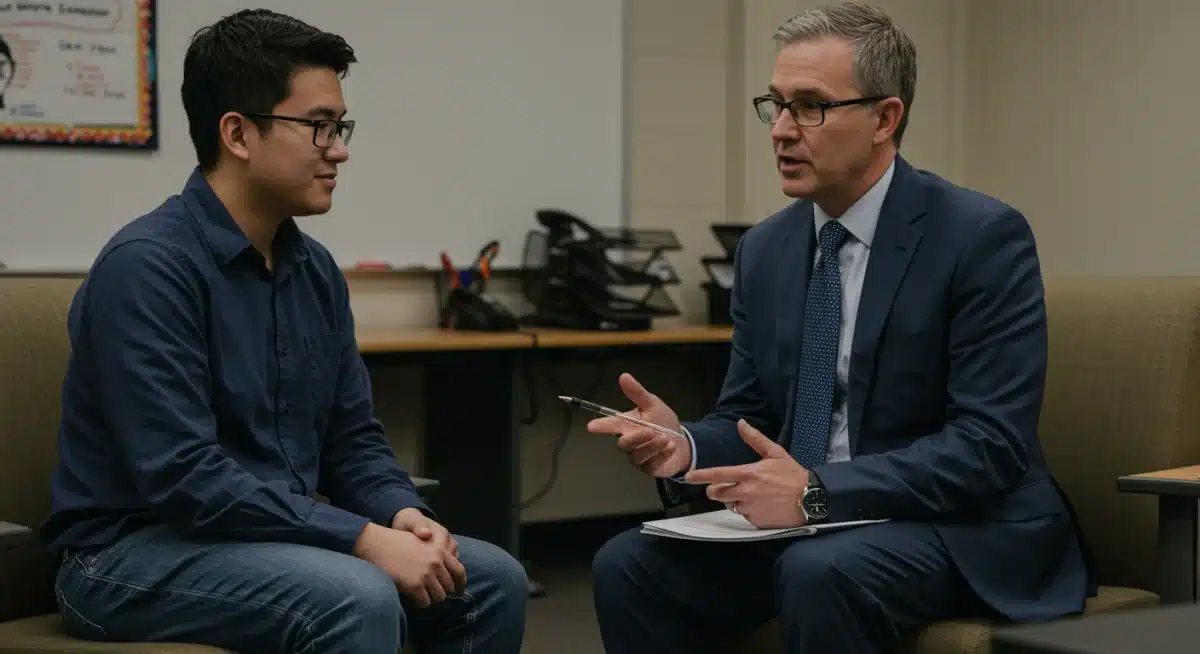
Fostering a Positive School Culture
A positive school culture is characterized by open communication, mutual respect, and a strong sense of community. It’s an environment where students feel connected and supported by their peers and adults.
Initiatives such as peer support programs, anti-bullying campaigns, and student-led mental health clubs can significantly contribute to building this culture. Educators can also model positive coping strategies and destigmatize mental health conversations by openly discussing the importance of self-care and seeking help. This collective effort creates a safe space for all.
Essential Resources and Tools for Educators in 2026
U.S. educators in 2026 have access to an ever-growing array of resources and tools designed to enhance their capacity to support student mental health. These resources range from professional development opportunities to practical classroom interventions and referral networks. Leveraging these tools effectively can significantly improve outcomes for students.
The key is to understand what resources are available and how to integrate them into daily practice. Many organizations offer free or low-cost materials, training, and support specifically tailored for school settings. Staying updated on these offerings is an ongoing process.
Professional Development and Training
Ongoing professional development is paramount for educators to feel confident and competent in addressing student mental health needs. Training should cover topics such as recognizing warning signs, basic intervention strategies, and cultural competence.
- Workshops on trauma-informed practices help educators understand and respond to the impact of adverse experiences.
- Training in psychological first aid equips staff to support students immediately following a crisis.
- Courses on social-emotional learning (SEL) curriculum implementation provide practical strategies for classroom use.
Many state departments of education and mental health organizations offer subsidized or free training programs. Investing in these opportunities empowers educators and ultimately benefits students.
Digital Tools and Platforms
Technology offers innovative solutions for mental health support, from screening tools to mindfulness apps. Digital resources can complement traditional services, making support more accessible and engaging for students.
Platforms that facilitate anonymous reporting of concerns, virtual counseling services, and educational games about emotional regulation are becoming increasingly common. Educators should evaluate these tools for their effectiveness and alignment with school policies, ensuring they are used responsibly and ethically. The careful selection of digital tools can extend the reach of mental health support significantly.
Strategies for Early Identification and Intervention
Early identification and intervention are critical components of effective mental health support in schools. The sooner a student’s mental health needs are recognized and addressed, the better the chances for positive outcomes. Educators play a pivotal role in this process, often being the first to observe changes in behavior, academic performance, or social interactions that may signal a mental health concern.
Developing a systematic approach to early identification involves training staff, implementing screening protocols, and establishing clear referral pathways. This proactive stance helps to prevent issues from escalating, providing timely support to students in need.
Recognizing Warning Signs in the Classroom
Educators spend significant time with students, putting them in a prime position to notice subtle or overt changes that could indicate a mental health challenge. Understanding common warning signs is crucial.
- Significant shifts in academic performance or attendance.
- Changes in mood, such as increased irritability, sadness, or withdrawal.
- Expressions of hopelessness, self-harm, or suicidal ideation.
- Changes in eating or sleeping patterns.
- Increased difficulty concentrating or making decisions.
It’s important to remember that these signs can vary widely among individuals and may not always indicate a mental health disorder. However, they warrant further observation and, if persistent, a conversation with a school mental health professional. Trusting one’s instincts as an educator is key.

Establishing Clear Referral Pathways
Once a concern is identified, educators need to know the appropriate steps to take. Clear and accessible referral pathways ensure that students receive timely and appropriate support.
Schools should have established protocols for referring students to school counselors, psychologists, social workers, or external community mental health services. This includes knowing who to contact, what information to share (while respecting privacy), and how to follow up. A well-defined system reduces confusion and ensures continuity of care, which is vital for student well-being.
Building Partnerships: School, Family, and Community Collaboration
Effective mental health support in schools is not an isolated effort; it thrives on robust partnerships between schools, families, and community organizations. A collaborative approach ensures that students receive consistent, comprehensive care that extends beyond the school walls. These partnerships create a stronger safety net for students, addressing their needs from multiple angles.
When all stakeholders work together, resources are maximized, communication is enhanced, and students benefit from a unified support system. This synergy is particularly important for complex cases requiring ongoing support.
Engaging Parents and Guardians
Parents and guardians are primary partners in a child’s mental health journey. Schools must actively engage them in discussions about their child’s well-being and involve them in decision-making processes.
- Host workshops for parents on topics like stress management, digital well-being, and communicating with adolescents.
- Provide clear information about school mental health services and how to access them.
- Establish open lines of communication with parents, ensuring they feel heard and supported.
Building trust with families creates a collaborative environment where concerns can be addressed proactively and effectively. When parents feel empowered and informed, they become stronger advocates for their children’s mental health.
Leveraging Community Resources
No school can be expected to provide all mental health services in isolation. Community mental health agencies, non-profits, and healthcare providers are invaluable partners in offering specialized care and expanding the reach of support.
Schools should develop robust referral networks with local mental health professionals and organizations. This includes understanding the services they offer, their eligibility criteria, and how to facilitate smooth transitions for students requiring external support. These partnerships ensure that students have access to a full spectrum of care, from therapy to medication management, when necessary. Building these bridges is essential for comprehensive care.
Addressing Educator Well-being and Self-Care
While the focus is often on student mental health, the well-being of educators themselves is equally critical. Teaching is a demanding profession, and the added responsibility of supporting students with complex mental health needs can lead to significant stress and burnout. For educators to effectively provide mental health support, they must also prioritize their own mental health and engage in self-care practices.
A healthy and resilient teaching staff is better equipped to create a positive learning environment and respond compassionately to student needs. Schools have a responsibility to support their educators’ well-being.
The Impact of Educator Burnout
Educator burnout is a serious concern with far-reaching consequences, affecting not only individual teachers but also student outcomes and school-wide morale. High levels of stress, emotional exhaustion, and a sense of reduced accomplishment are common symptoms.
Factors contributing to burnout include heavy workloads, lack of resources, challenging student behaviors, and the emotional toll of supporting struggling students. Addressing these systemic issues is crucial for creating a sustainable and supportive environment for educators. Ignoring educator well-being ultimately undermines student support.
Promoting Self-Care and Support Systems for Staff
Schools can implement various strategies to promote educator well-being and foster a culture of self-care. These initiatives acknowledge the demanding nature of the profession and provide practical support.
- Offer professional development on stress management, mindfulness, and resilience-building.
- Provide access to employee assistance programs (EAPs) that offer confidential counseling services.
- Create opportunities for peer support groups where educators can share experiences and strategies.
- Advocate for reasonable workloads and adequate resources to prevent overburdening staff.
By investing in the mental health of their educators, schools are not only supporting their staff but also indirectly strengthening the mental health support available to students. A well-supported educator is a more effective educator, capable of providing the empathy and guidance students need.
| Key Aspect | Brief Description |
|---|---|
| Updated Guidelines | Federal and state mandates emphasize comprehensive, multi-tiered mental health support in schools for 2026. |
| Curriculum Integration | Embedding mental health education and SEL into daily learning fosters a proactive, supportive culture. |
| Educator Resources | Access to professional development, digital tools, and referral networks is crucial for effective support. |
| Educator Well-being | Prioritizing staff mental health and self-care is essential for sustainable and effective student support. |
Frequently asked questions about mental health support in schools
The primary goals include establishing comprehensive, multi-tiered systems of support, promoting early identification and intervention, fostering a positive school culture, and ensuring equitable access to mental health services for all students. These guidelines aim to integrate mental well-being into the core educational mission.
Educators can identify students by observing changes in behavior, academic performance, social interactions, or mood. Warning signs include persistent sadness, anxiety, withdrawal, sudden outbursts, difficulty concentrating, or expressions of hopelessness. Training in recognizing these indicators is crucial for early intervention.
Numerous resources exist, including workshops on trauma-informed care, SEL implementation, and psychological first aid. Federal agencies like SAMHSA and state departments of education often provide free or subsidized training, alongside non-profit organizations and specialized educational platforms. These resources empower educators with vital skills.
Educator well-being is critical because stressed or burned-out teachers are less effective in supporting students. Prioritizing staff mental health through self-care initiatives, support systems, and reasonable workloads ensures educators can provide compassionate and consistent care, fostering a healthier school environment for everyone.
Schools can collaborate by engaging parents through workshops and open communication, and by developing strong referral networks with local mental health agencies and community organizations. This multi-faceted approach ensures students receive comprehensive and consistent support both within and outside the school setting.
Conclusion
The imperative to provide robust mental health support in U.S. schools has never been clearer. As we move through 2026, the updated guidelines and burgeoning resources offer a roadmap for educators to create truly supportive and nurturing environments. By prioritizing ongoing professional development, integrating mental health education into the curriculum, fostering strong partnerships with families and communities, and crucially, attending to their own well-being, educators can profoundly impact student mental health outcomes. This holistic and collaborative approach is essential for equipping students with the emotional resilience needed to navigate the complexities of life and achieve their fullest potential.
